WHAT HAPPENS TO BEES AND WASPS IN WINTER?
Bees and Wasps in Late Bloom: What You Should Know Before Winter Hits
And while the weather cools down and flowers die in late summer, bees and wasps are still swarming around, particularly around flowers that bloom last, shrubs and leaf piles. Homeowners often encounter the stinging insects while raking leaves, pruning trees or preparing the garden for winter.
Whether you’re mulching flower beds or emptying the shed, you might do enough rummaging to disturb an underground bee nest hidden in the soil or discover a wasp nest nestled in bushes or under eaves. And though not all stinging insects are aggressive, it’s a good idea to tell the difference and respond with caution.
How Can You Tell if It’s a Bee or a Wasp?
At first glance, bees and wasps can be nearly identical in appearance. Right after all, both may sport black and yellow stripes, but their bodies and habits betray them:
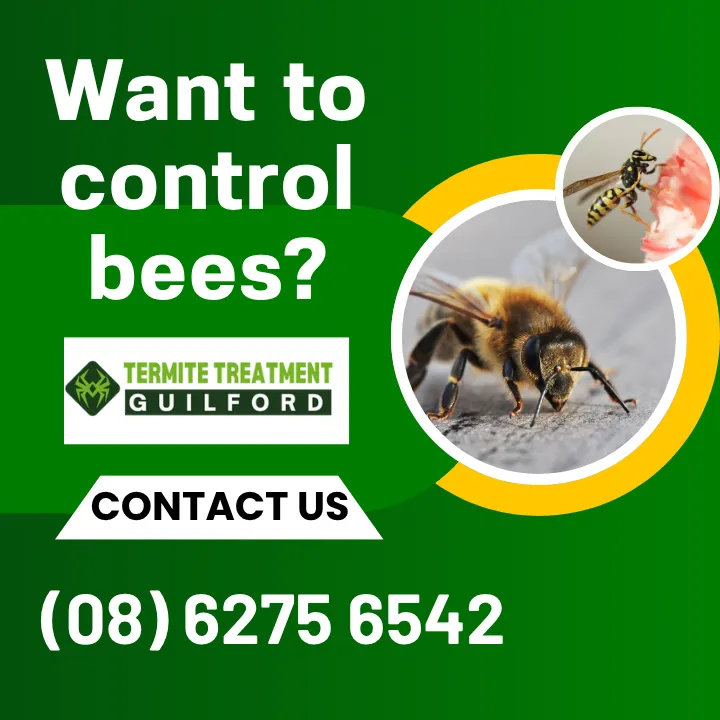
Bees are furry animals with short hair and a rounder, denser body. They are generally harmless and will not sting unprovoked.
Wasps, such as yellow jackets or paper wasps, also have slender, smooth bodies with a noticeable “waist.” They’re fiercer, especially during late summer and fall.
And here’s a pro tip: those insects dive-bombing your picnic or buzzing angrily while you garden? Those are probably wasps, not bees. Wasps become more defensive and aggressive as food becomes scarce in autumn.
Where Do They Nest?
Bees frequently live in the ground or wall cavities, trees or even compost piles.
Wasps construct paper-like nests in shrubbery, under the eaves of roofs, or nestled between branches. Some also nest in the ground, like yellow jackets the same place where you, too, might step in while gardening!
Exercise extra caution when raking leaves or reaching into prickly bushes. You could inadvertently locate a nest and excite some defensive behaviour.
What Happens to Them in Winter?
Wasps: When the first few frosts hit, the entire wasp colony dies off—except for one survivor: the queen. She hibernates underground and emerges in spring to build a new nest.
Bees: These hardworking pollinators stick together in their hive, huddling to keep warm and feeding on honey stored earlier in the year. Once the weather warms up, they’ll be back to pollinating flowers and doing their vital job in nature.
When to Call a Professional
If there’s a nest in your area, or if you see stinging insects becoming a little too up close and personal for your liking, you’re best off leaving removal to the experts. Trying to disturb or move a nest on your own can result in painful stings, especially if the wasps are aggressive.
Pest control experts have the equipment, tools, and protective gear needed to safely remove nests and apply treatments that help keep your home and garden safe from these unwanted guests.
Final Tip
Enjoying your yard when the seasons change should be hassle-free. Be conscious of what’s around you, wear gloves when working in the garden and don’t swipe at buzzing insects.
Contact your local pest experts for safe and successful bee or wasp control. They’ll help to determine the species, rid you of any pests and make sure to protect and prevent future bothers, to keep your yard open so you can fully enjoy the outdoors, all year!
Profix Termite Treatment Guilford offers all pest control services in Guilford and surroundings. Feel free to contact us at (08) 6275 6542 or visit our website:
https://profixtermitetreatment.com.au/
