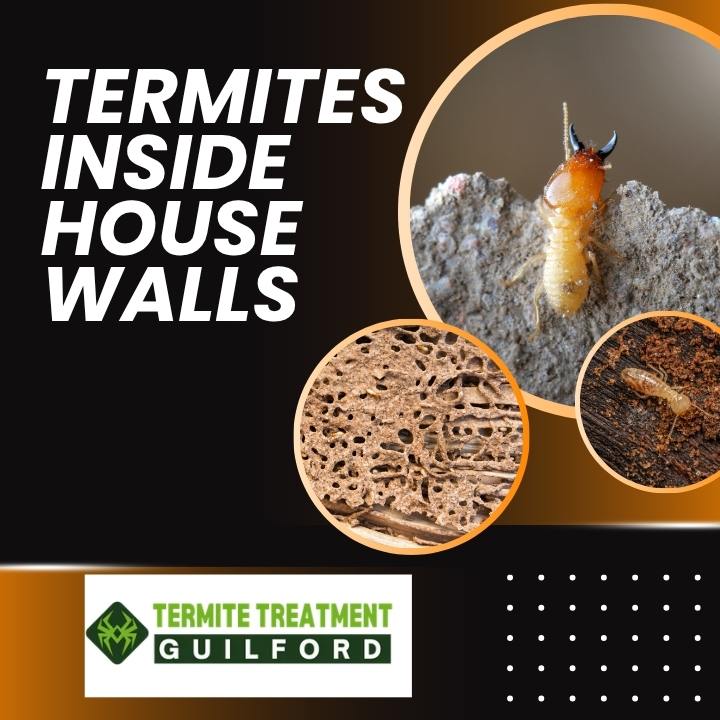
How Termites Inside House Walls Create Silent Damage
Termites inside house walls are among the most troubling hidden dangers for Perth homes. They don't bark loudly, they don't leave obvious grime, and they do not leech timber in a manner you will notice at first. Instead, they operate silently behind plasterboard, skirting boards, wall studs, door frames and timber frameworks. Unfortunately, by the time a lot of homeowners realise they have contamination, it can be very expensive to fix.
Why Termites Hide Inside Walls
The wall of a house is a perfect shelter for termites. They can escape the sun, dry air, and human activity by taking refuge inside walls. Generally, subterranean termites travel from the soil to timber via tiny fissures, plumbing openings, growth joints, or obscure entrance facts around the foundation.
Moisture near the property is a risk factor for Perth properties. Pipes leaking, bad drainage, leaks in the roof, condensation overflow of air-conditioning, wet soil and garden beds against walls can be conducive to termite activity. After foraging for a safe route, termites can travel through wall cavities without being detected.
How Wall Termite Damage Starts
This can be due to finding food; termites eat cellulose found in timber, paper, cardboard and some building materials. Within walls, they can feast upon timber framing, property beams, window frames, door frames and flooring edges or skirting boards.
The centre of the timber is the most dangerous part, where termites eat from the inside out. The rest area may still seem standard out, but the remainder can become hollow and frail. That is the reason why pest damage due to termites is called quiet injuries. A wall could look solid, whilst termites are rotting underneath the surface.
Common Signs of Termites in House Walls
Homeowners can look for little but crucial signs of trouble. These might consist of hollow-sounding timber, scabs of paint, very smooth skirting boards, erratic doors, broken plastering, little clicking sounds that you make and mud tubes or small holes in walls. Termite swarmers also leave behind wings near windows and doors.
But not all infestations are readily apparent. Often, termite activity is hidden until a proper termite inspection is performed with appropriate tools and experience.
Why Termite Damage Can Become Expensive
Termites inside walls can spread from one room to another through hidden timber connections. If the infestation is not treated early, it may reach floors, ceilings, roof timbers, cupboards, and structural areas.
Repair costs can increase when termites damage load-bearing timber or hidden framing. Insurance may not always cover termite damage, so prevention and early treatment are important for protecting the property.
Professional Treatment Is Important
Do-it-yourself sprays can kill individual termites, but they rarely eliminate the colony. Termite treatment aims to get to the source of your problem. Termite barriers, soil treatment, baiting systems, moisture inspection and proper checks and follow-up visits are some of the treatments you will receive from pest control professionals, depending on your case.
Routine inspections for termites in Perth, Guildford, and surrounding suburbs are a wise decision to discover early activity prior to serious structural damage occurring.
How to Reduce Termite Risk
Remove timber from the ground, fix any leaks immediately, enhance drainage, avoid making cardboard piles close to walls, trim down plants far-off from your private home and book a professional inspection for termites. These simple things can minimise the risk of termites entering wall cavities.
Termites inside the wall of the house are dangerous because they remain hidden for a long time. The best way to safeguard your home is through early inspection, proper treatment and ongoing prevention.
Profix Termite Treatment Guilford offers all pest control services in Guilford and surrounding areas.
Phone: (08) 6275 6542
Website: https://profixtermitetreatment.com.au/
